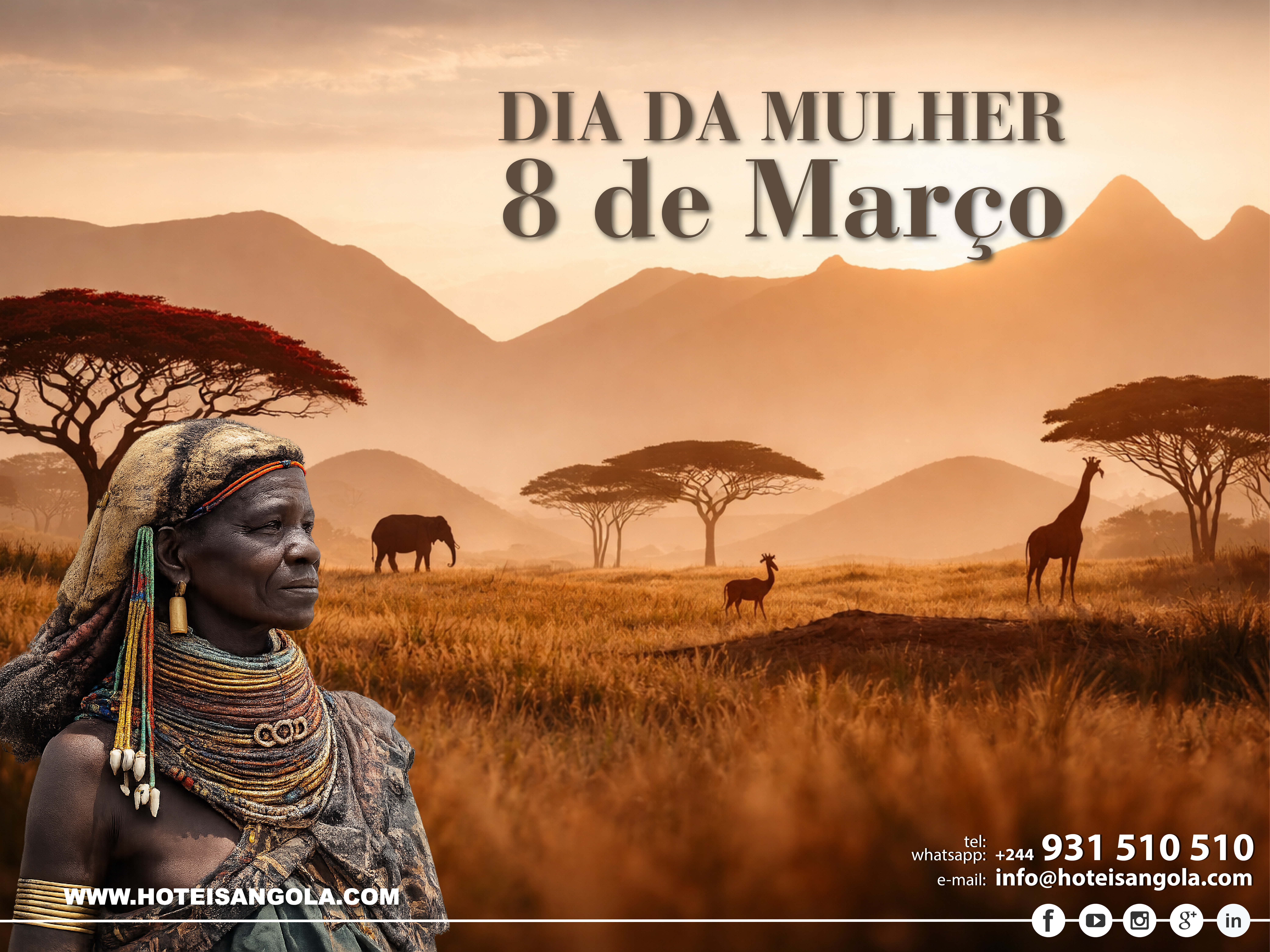
As a result of the protest led by women workers at a textile factory in New York on March 8, 1857, due to poor working conditions and low wages, today women can compete in the labor market without gender discrimination and with salary proposals appropriate to the positions they hold.
Beginning of Women's Day:
The first International Women’s Day was celebrated on March 19, 1911, but it was later moved to March 8 because in 1917 women in the Soviet Union obtained the right to vote thanks to the extraordinary Aleksandra Kollontai, colleague and friend of Zetkin.
For the struggle and achievements of women, the UN declared March 8 as International Women’s Day in 1975, marked by the strike of women workers mentioned above in 1917.
With this day, the UN intends to honor women of all nations, races, and cultures whose role in society was belittled and whose rights were violated simply because they were born women, and who fought for citizenship rights equal to those recognized for men.
This struggle of women reached an important milestone at the Fourth World Conference on Women, held in Beijing, China, in 1995. At this meeting, the principle was reaffirmed that women’s human rights are an inalienable, integral, and indivisible part of universal human rights, and that equality between men and women is a condition of social justice and a necessary and fundamental requirement for equality, development, and peace.
Conclusion:
International Women’s Day is an occasion to celebrate women’s achievements, recognize the challenges they still face, and renew the commitment to promoting gender equality.
It is an opportunity to remember that the fight for women’s rights is everyone’s responsibility and that together we can create a fairer and more inclusive world for all people, regardless of gender.
The National Museum of Natural History (MNHN) is a public, non-profit museum institution, dedicated par excellence to documentation, research and communication activities that reflect Angola's biodiversity.
The National Slavery Museum is located in Morro da Cruz, in the city of Luanda, in Angola. Dedicated to the memory of slavery, it is an outstanding cultural institution in the country.
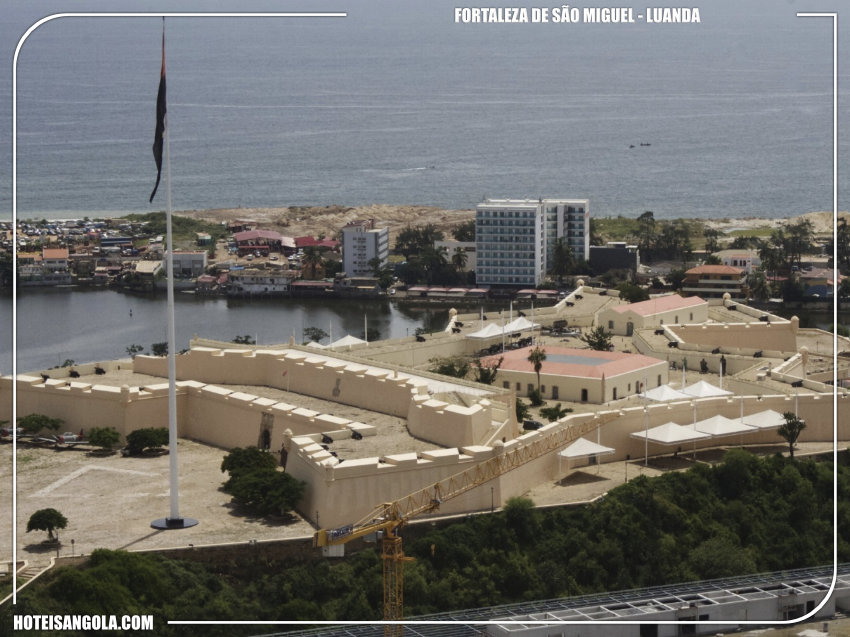
The “Fortaleza de São Miguel” is located on Morro da Fortaleza (formerly Monte de São Paulo), close to the bridge on the island of Luanda, in the commune and municipality of Ingombota, city and province of Luanda, in Angola.
Available daily from 08:00 to 22:00. This support line helps clarify doubts,
assist with reservations and guide you towards the best accommodation and tourism services.










 WhatsApp
 English
 Português
 Phone
Phone
 Email
Email