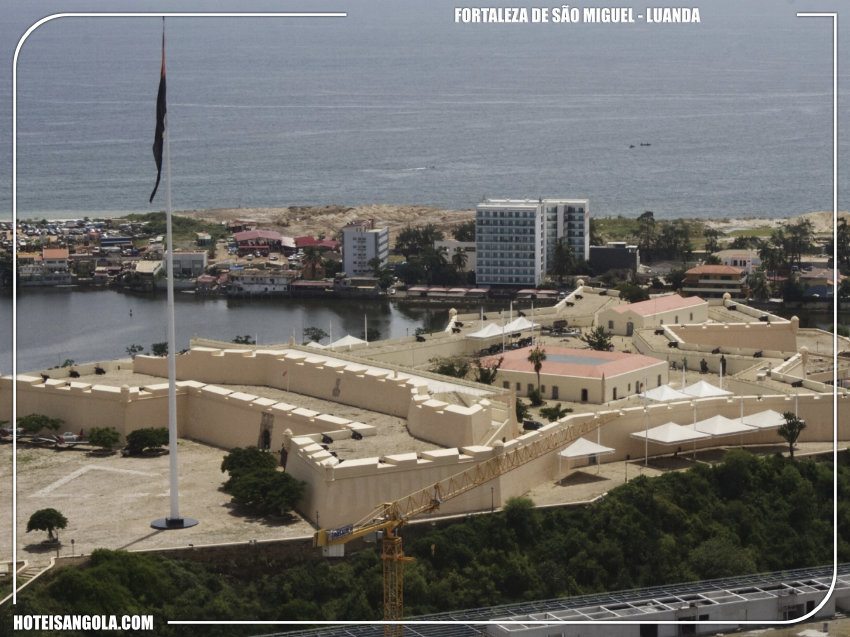
Fortress of São Miguel

São Miguel Fortress

São Miguel Fortress
São Miguel Fortress

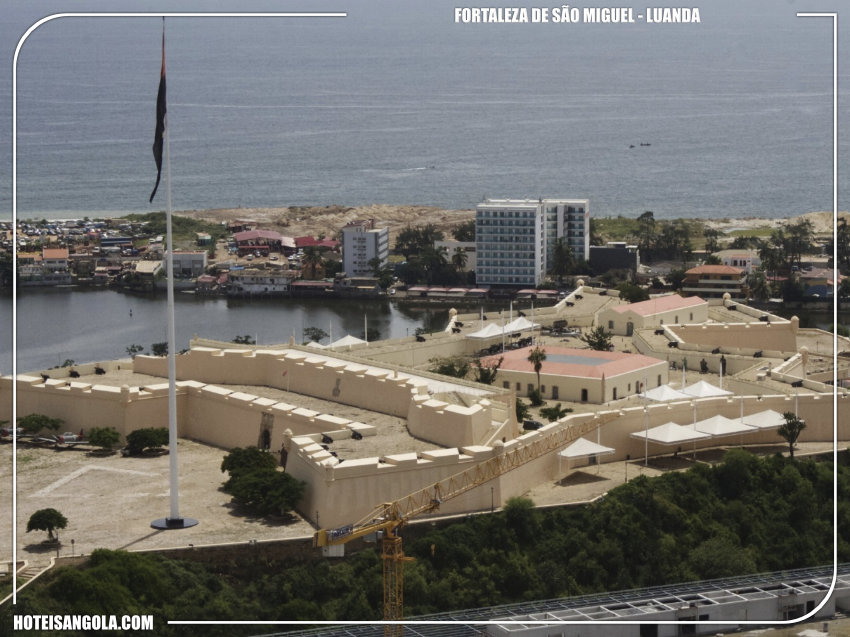
The “Fortress of São Miguel” is located on Fortaleza Mount (formerly São Paulo Mount), close to the bridge on the island of Luanda, in the commune and municipality of Ingombota, city and province of Luanda, in Angola.

Considered one of the most important historical monuments in the Angolan capital, the fortress also stands out for being regarded as the only African fortification where artillery pieces were cast.

Origins and construction

The history of the fortification is linked to the early years of Portuguese presence in Luanda. In 1576, Paulo Dias de Novais founded the town of São Paulo da Assumpção de Loanda and took advantage of the strategic position of São Paulo Hill to establish a defensive structure.

With the increase in the threat of maritime attacks and the need to strengthen the city's defences, new works were carried out throughout the 17th century. In 1634, construction began on a more structured fortification, with a quadrangular layout and bastions.

The Dutch occupation and reconquest

In 1641, Luanda and the fortification were taken by the Dutch West India Company, which remained in the city until 1648. During this period, the fort became known as Fort Aardenburgh.

In August 1648, an expedition commanded by Salvador Correia de Sá e Benevides reconquered Luanda. Following the recovery of the city, the former Morro Fort was given the name São Miguel Fort.

The present-day fortress

Throughout the 17th and 18th centuries, the fortification underwent successive reconstruction and expansion works, progressively acquiring the configuration it has today. The structures added included bastions, batteries, warehouses and a large cistern known as Cova da Onça.

Around 1770, one of the areas of the fortress was adapted for the casting of artillery pieces, an activity that reinforced its military importance.

From the 19th century to the present day

During the 19th century, São Miguel Fortress continued to serve different functions, including as a depot for convicts. In the 20th century, after ceasing to serve military purposes, it became home to the Museum of Angola, established in 1938, and was also classified as a National Monument that same year.

With the beginning of the Colonial War in 1961, the fortress once again assumed military functions. Following Angola's Independence, between 1975 and 1978, it was used by the General Staff of the FAPLA and, from 31 July 1978, became home to the Central Museum of the Armed Forces.

The fortress underwent conservation works and, in 1996, was included on the UNESCO World Heritage Tentative List.

Characteristics

São Miguel Fortress is an example of 17th- and 18th-century military architecture, built in an elevated and strategic position overlooking the former São Paulo Hill.

Its structure features an irregular polygonal layout, with bastions, batteries, walls and interior spaces intended for different military functions. Inside, there are also historical architectural elements, including the former chapel dedicated to Saint Michael and other structures associated with the old fortification.

In the exterior area, there are artillery pieces, military vehicles and aircraft used during different periods of Angola's military history.

Historical heritage of Luanda

More than just a former defensive structure, São Miguel Fortress is an important testimony to the history of Luanda and Angola. Its long military, museum and heritage-related use provides an insight into different periods of the country's history from one of the most significant historical landmarks in the capital.

Bibliography

BOXER, C. R. Salvador de Sá and the Struggle for Brazil and Angola, 1602-1686. 1952.

SANTOS, Nuno. A Fortaleza de São Miguel. Luanda: Instituto de Investigação Científica de Angola, 1967.

Source: https://fortalezas.org/?ct=fortaleza&id_fortaleza=517

Antigo monte de São Paulo, Ingombotas, Angola

locais de interesse

Pontos Turisticos

Mayamba Art Gallery
Places of Interest

Mayamba Art Gallery

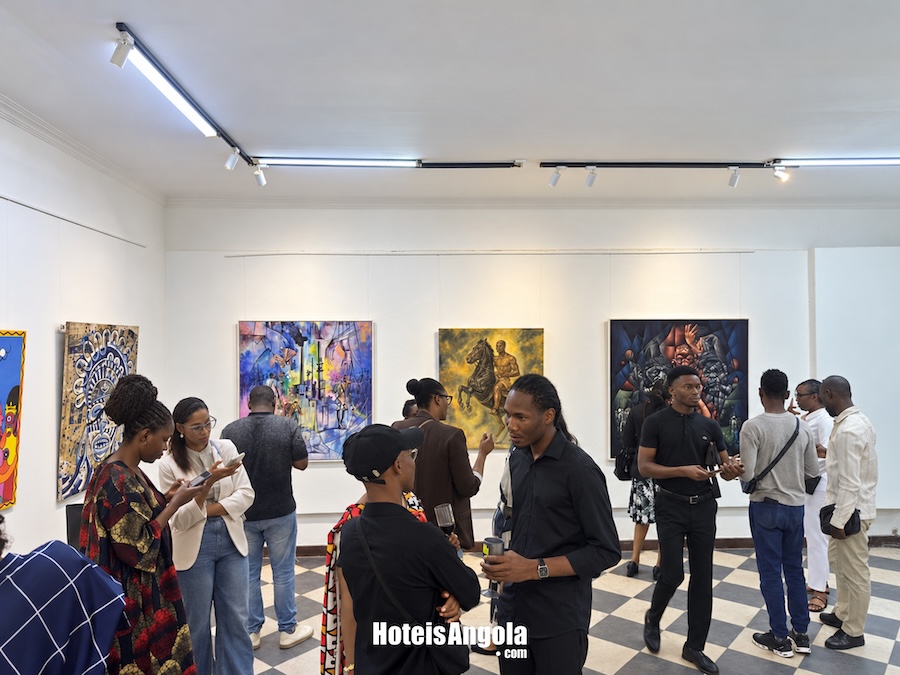
Exhibition space with programming that includes photography and international cultural exchange.
D’Maio Gallery — UNAP
Places of Interest

D’Maio Gallery — UNAP

Gallery associated with the National Union of Visual Artists, also referred to as the UNAP Gallery.
Palomino Art Gallery
Places of Interest

Palomino Art Gallery

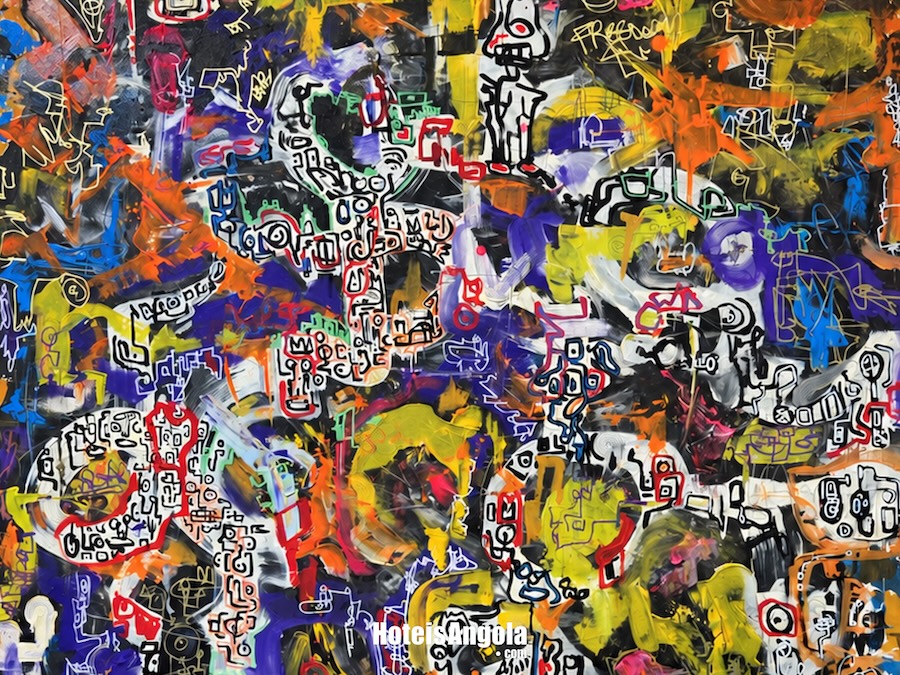
Discover the art that brings your space to life.
Why Not
Places of Interest

Why Not

Art gallery
ELA – Luanda Art Space
Places of Interest

ELA – Luanda Art Space

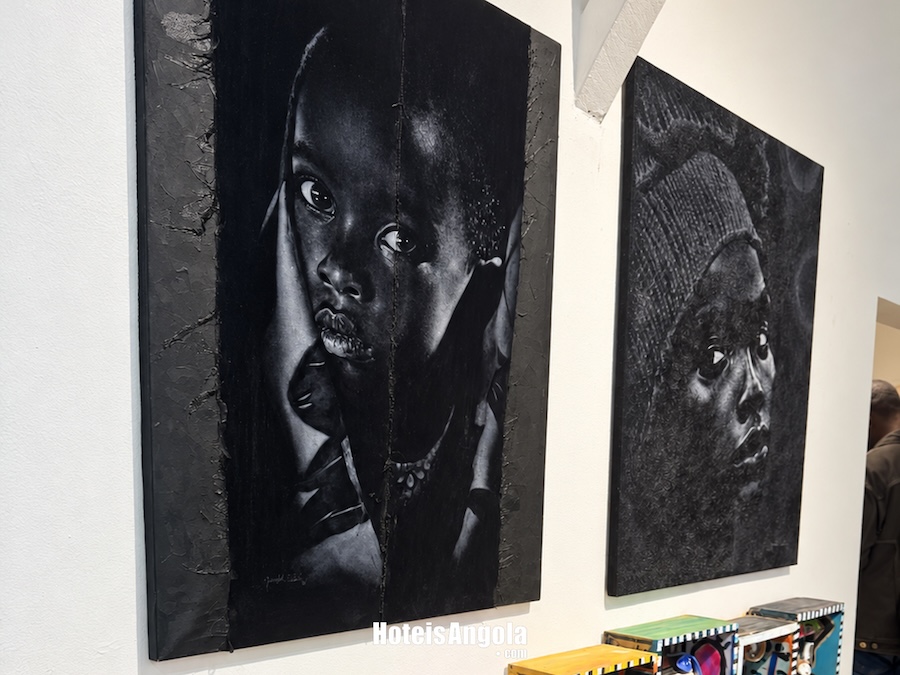
A space dedicated to Angolan and Pan-African contemporary art
The Art Affair
Places of Interest

The Art Affair

Project linked to the visual arts and audiovisual production.
Mussulo Island
Places of Interest

Mussulo Island

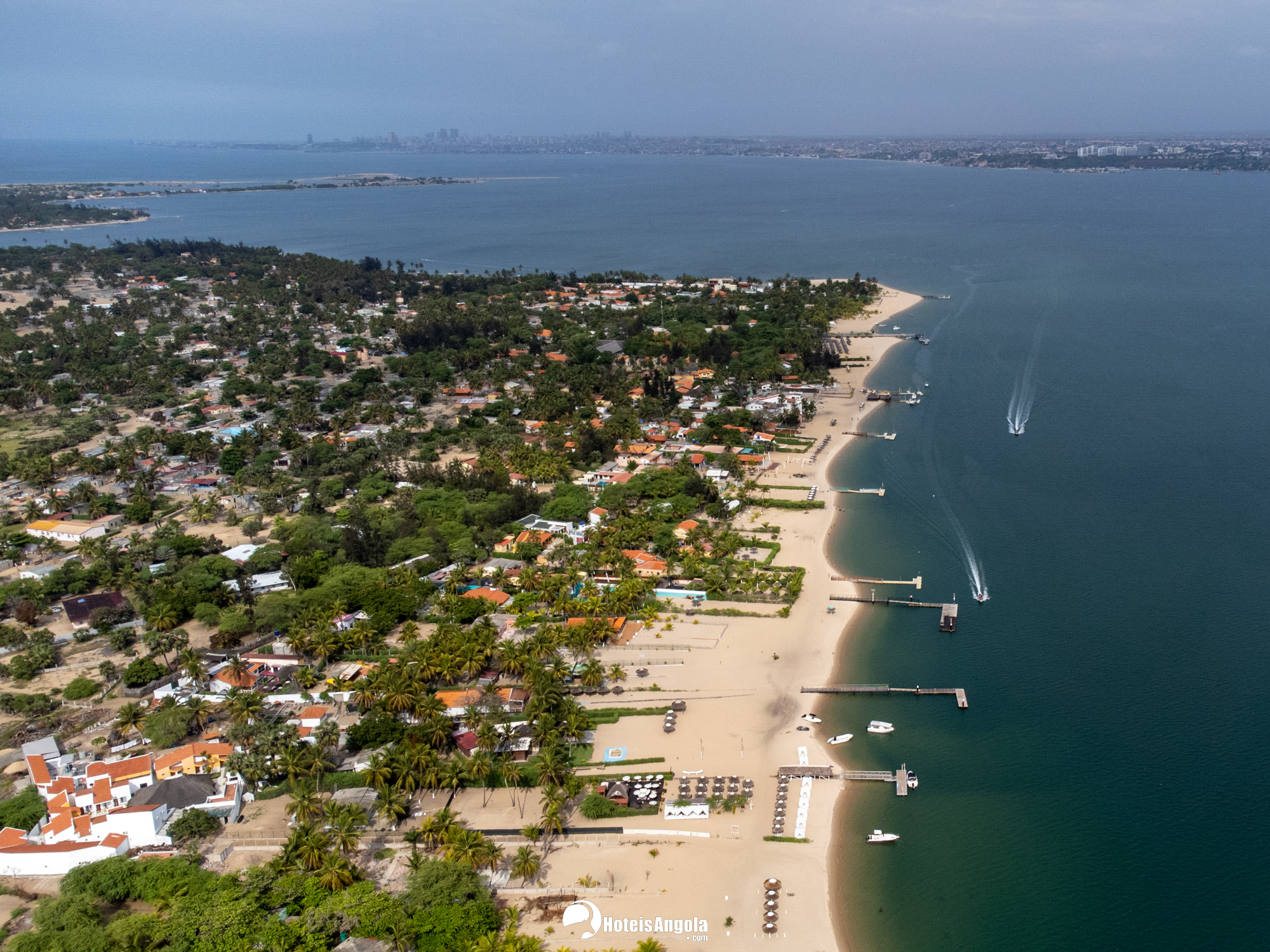
It is administratively linked to the urban district of Benfica and Mussulo, from the municipality of Belas.
National Museum of Natural History of Angola
Places of Interest

National Museum of Natural History of Angola

The National Museum of Natural History (MNHN) is a public, non-profit museum institution, dedicated par excellence to documentation, research and communication activities that reflect Angola's biodiversity.
Barra do Kwanza
Places of Interest

Barra do Kwanza

Barra do Kwanza is an Angolan urban district and commune located in the province of Luanda, belonging to the municipality of Belas.
National Museum of Military History
Places of Interest

National Museum of Military History

The Military History Museum reopened to the public in April 2013 and is located in the former Fortaleza de São Miguel de Luanda.
Quissama National Park
Places of Interest

Quissama National Park

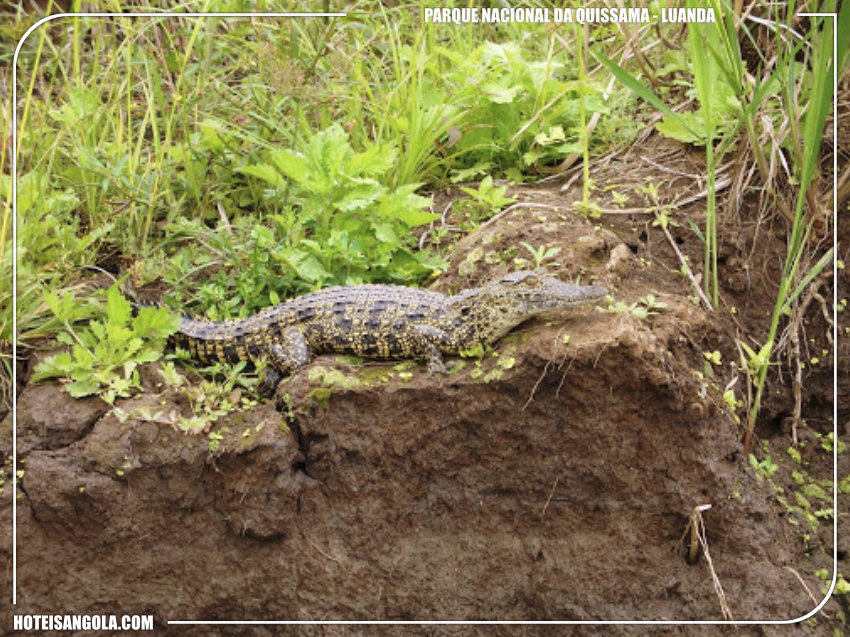
The Quissama National Park is located 75 kilometers from Luanda, between the Atlantic Ocean, the Cuanza River and the Longa River.
National Museum of Anthropology
Places of Interest

National Museum of Anthropology

The National Museum of Anthropology is located in the Coqueiros neighborhood, in the city of Luanda, in Angola.
Currency Museum
Places of Interest

Currency Museum

The Currency Museum presents the history of money from Zimbo to Kwanza.
Iron Palace
Places of Interest

Iron Palace

The Quissama National Park is located 75 kilometers from Luanda, between the Atlantic Ocean, the Cuanza River and the Longa River.
Caboledo
Places of Interest

Caboledo

One of the ideal tourist spots to recover energy and reestablish strength for the busy city life.
National Slavery Museum
Places of Interest

National Slavery Museum

The National Slavery Museum is located in Morro da Cruz, in the city of Luanda, in Angola. Dedicated to the memory of slavery, it is an outstanding cultural institution in the country.
The Muxima Fortress
Places of Interest

The Muxima Fortress

The Muxima Fortress (
Mussulo Island Chapel (Church of St. John the Baptist)
Places of Interest

Mussulo Island Chapel (Church of St. John the Baptist)

Built by Portuguese settlers during the colonial period, it was officially classified as part of Angola's historical and cultural heritage.
Fortress of São Miguel
Places of Interest

Fortress of São Miguel

The “Fortaleza de São Miguel” is located on Morro da Fortaleza (formerly Monte de São Paulo), close to the bridge on the island of Luanda, in the commune and municipality of Ingombota, city and province of Luanda, in Angola.
Armed Forces Museum
Places of Interest

Armed Forces Museum

Established in 1975, after Angola's independence, the Armed Forces Museum is located in the São Miguel Fortress.
Rent-a-car

Newsletter

Un-subscribe

If you want to stop receiving newsletters write here the Removal Code shown in newsletter you reveived by us and click Un-subscribe.

Invalid e-mail address
 
Please wait...

Suport Line

Support Line

WhatsApp WhatsApp

Number: +244 931 510 510

Message opens automatically when you click

Email Email

Email: info@visiteluanda.com

For detailed requests or sending documents.

Available daily from 08:00 to 22:00. This support line helps clarify doubts, assist with reservations and guide you towards the best accommodation and tourism services.

Não espere mais, precisa de ajuda?