Currency Museum

Currency Museum

Currency Museum
Currency Museum

The Currency Museum presents the history of money from Zimbo to Kwanza.

Unique in its vocation, this museum displays the numismatic and notary collections of the National Bank of Angola, there are some framing objects and audiovisual devices available that better enlighten visitors about our past. This brief itinerary aims to support the interpretation of the themes that constitute the museum's narrative.
The museography is based on thematic centers that focus on pre-monetary and other means of payment, histories of singular currencies, the iconography of money, the evolution of banking, banknote illustrations, security elements and personal testimonies about the role of money in the lives of Angolan citizens.
THE HISTORY OF THE CURRENCY:
Talking about the trajectory of the Kwanza is an authentic journey through time, with important and obligatory stops.
We started with Nzimbu, a small shell or whelk, extracted from the beaches of Luanda Island.
Most of them were collected mainly by women, the gray ones were considered of greater value.
We arrived at Libongo, a small piece of fabric of various dimensions and qualities, made from fibers of the bordão palm tree.
Salt was also one of our currencies .
This product, which came from the mines or salt pans of Quiçama, was molded into pieces of different shapes, such as stones and bars.
We are at the end of the 16th century, when Ivory begins to be used.
This new means of payment proves to be the main source of revenue from foreign trade.
At the end of this period, Copper appears.
This exchange currency has become a reference in commercial transactions, being the metal most used to manufacture everyday utensils such as knives, hoes, arrows, daggers, cups, shackles, necklaces and threads.
We approached the Cauri, a little before our trip ended, presenting itself as a white shell of rare beauty, which has been the currency for many centuries in various regions of the world.
Finally, the Accounts, objects ornaments made of seeds, aromatic roots, cylinders, ivory, pieces of bone, teeth, nails and other adornments.
It is for all this, and much more, that the History of our Currency is considered rich.
Come and discover our Currency Museum, a bastion of our History.
Source: Africa 21 Digital
Timetables:
Monday to Saturday, from 9am to 3:30pm; Queue closing times are subject to change daily, without prior notice;
To find out the times of each Museum event, consult our schedule;
Contacts:
e-mail: Museudamoeda@bna.ao Tel: +244 222 679 214 Website: http://www.museudamoeda.bna.ao/
Av. 4 de Fevereiro, Largo Saidy Mingas, Luanda, Angola

locais de interesse

Pontos Turisticos

National Museum of Natural History of Angola
Places of Interest

National Museum of Natural History of Angola

The National Museum of Natural History (MNHN) is a public, non-profit museum institution, dedicated par excellence to documentation, research and communication activities that reflect Angola's biodiversity.
Barra do Kwanza
Places of Interest

Barra do Kwanza

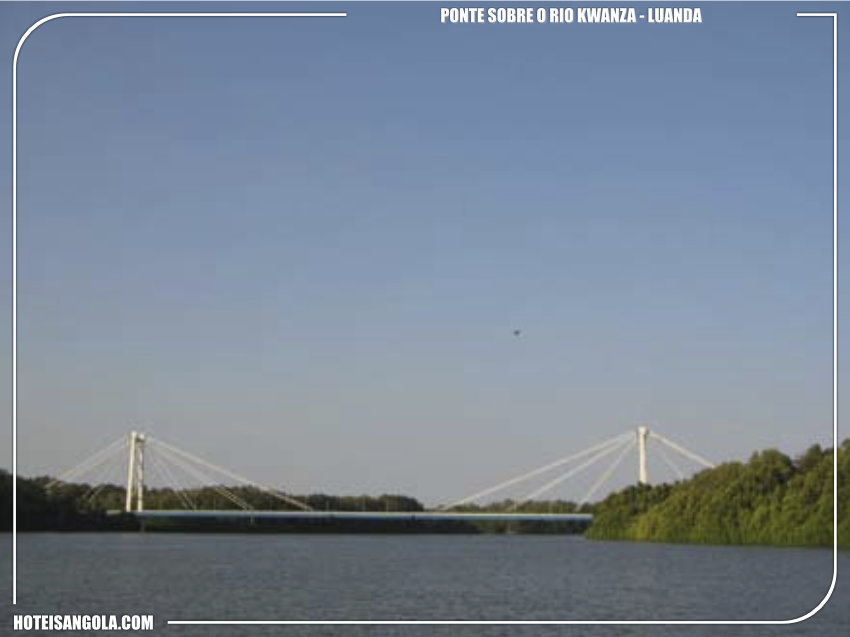
Barra do Kwanza is an Angolan urban district and commune located in the province of Luanda, belonging to the municipality of Belas.
National Museum of Military History
Places of Interest

National Museum of Military History

The Military History Museum reopened to the public in April 2013 and is located in the former Fortaleza de São Miguel de Luanda.
Quissama National Park
Places of Interest

Quissama National Park

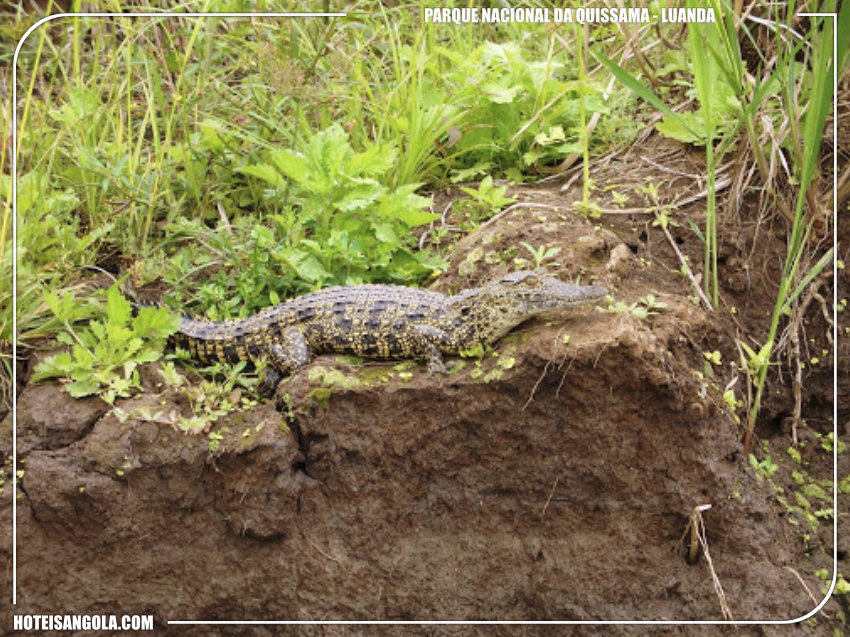
The Quissama National Park is located 75 kilometers from Luanda, between the Atlantic Ocean, the Cuanza River and the Longa River.
National Museum of Anthropology
Places of Interest

National Museum of Anthropology

The National Museum of Anthropology is located in the Coqueiros neighborhood, in the city of Luanda, in Angola.
Currency Museum
Places of Interest

Currency Museum

The Currency Museum presents the history of money from Zimbo to Kwanza.
Iron Palace
Places of Interest

Iron Palace

The Quissama National Park is located 75 kilometers from Luanda, between the Atlantic Ocean, the Cuanza River and the Longa River.
Caboledo
Places of Interest

Caboledo

One of the ideal tourist spots to recover energy and reestablish strength for the busy city life.
National Slavery Museum
Places of Interest

National Slavery Museum

The National Slavery Museum is located in Morro da Cruz, in the city of Luanda, in Angola. Dedicated to the memory of slavery, it is an outstanding cultural institution in the country.
The Muxima Fortress
Places of Interest

The Muxima Fortress

The Muxima Fortress (
Mussulo Island Chapel
Places of Interest

Mussulo Island Chapel

A chapel built by Portuguese settlers on the island of Mussulo, in Luanda, is now classified as Historical-Cultural Heritage of Angola, according to an executive decree signed by the Minister of Culture, Carolina Cerqueira.
Fortress of São Miguel
Places of Interest

Fortress of São Miguel

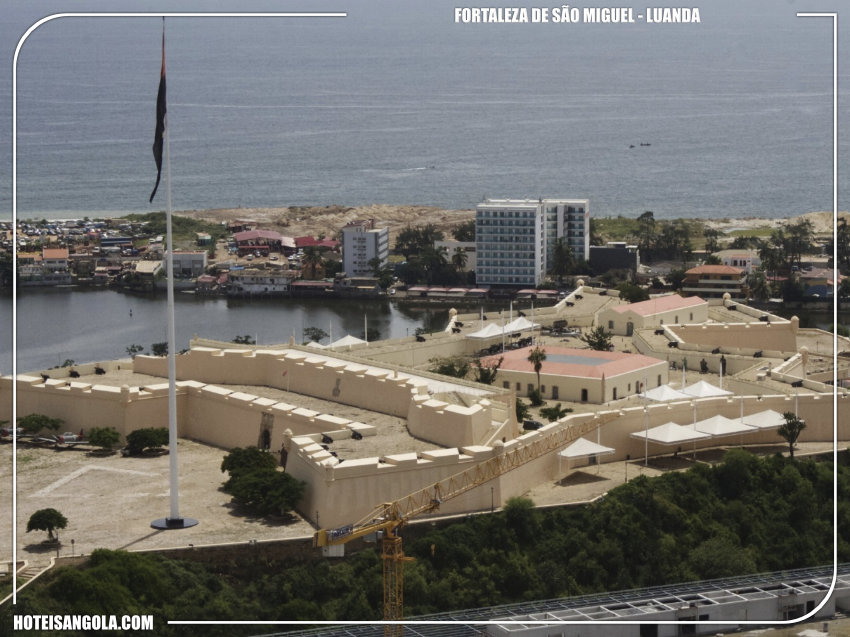
The “Fortaleza de São Miguel” is located on Morro da Fortaleza (formerly Monte de São Paulo), close to the bridge on the island of Luanda, in the commune and municipality of Ingombota, city and province of Luanda, in Angola.
Mussulo Island
Places of Interest

Mussulo Island

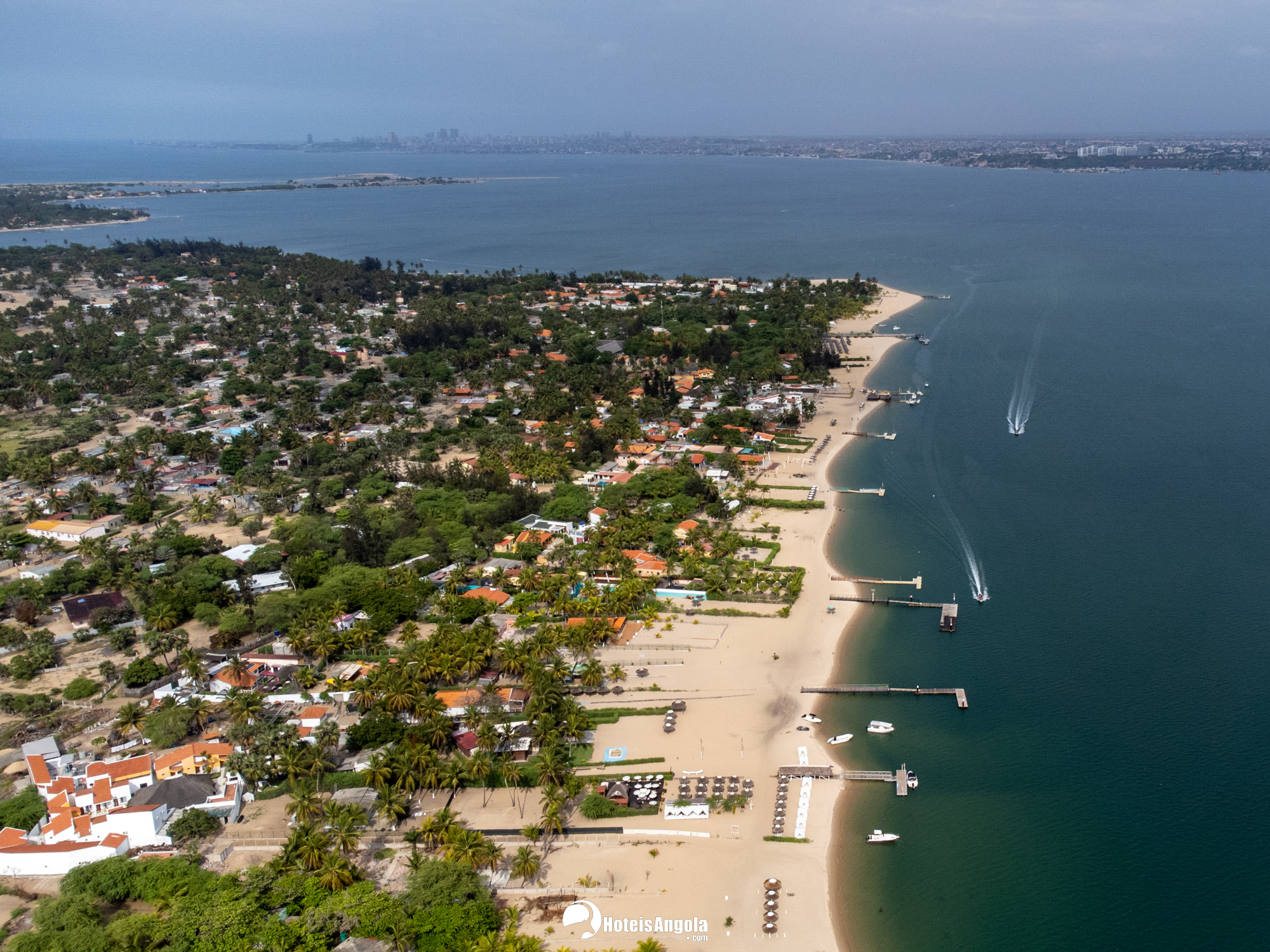
It is administratively linked to the urban district of Benfica and Mussulo, from the municipality of Belas.
Armed Forces Museum
Places of Interest

Armed Forces Museum

Established in 1975, after Angola's independence, the Armed Forces Museum is located in the São Miguel Fortress.
Our Lady of Conceição da Muxima
Places of Interest

Our Lady of Conceição da Muxima

Our Lady of Conceição da Muxima, also known as Our Lady of Muxima or Mamã Muxima, is a Marian devotion from Angola
Moon Viewpoint
Places of Interest

Moon Viewpoint

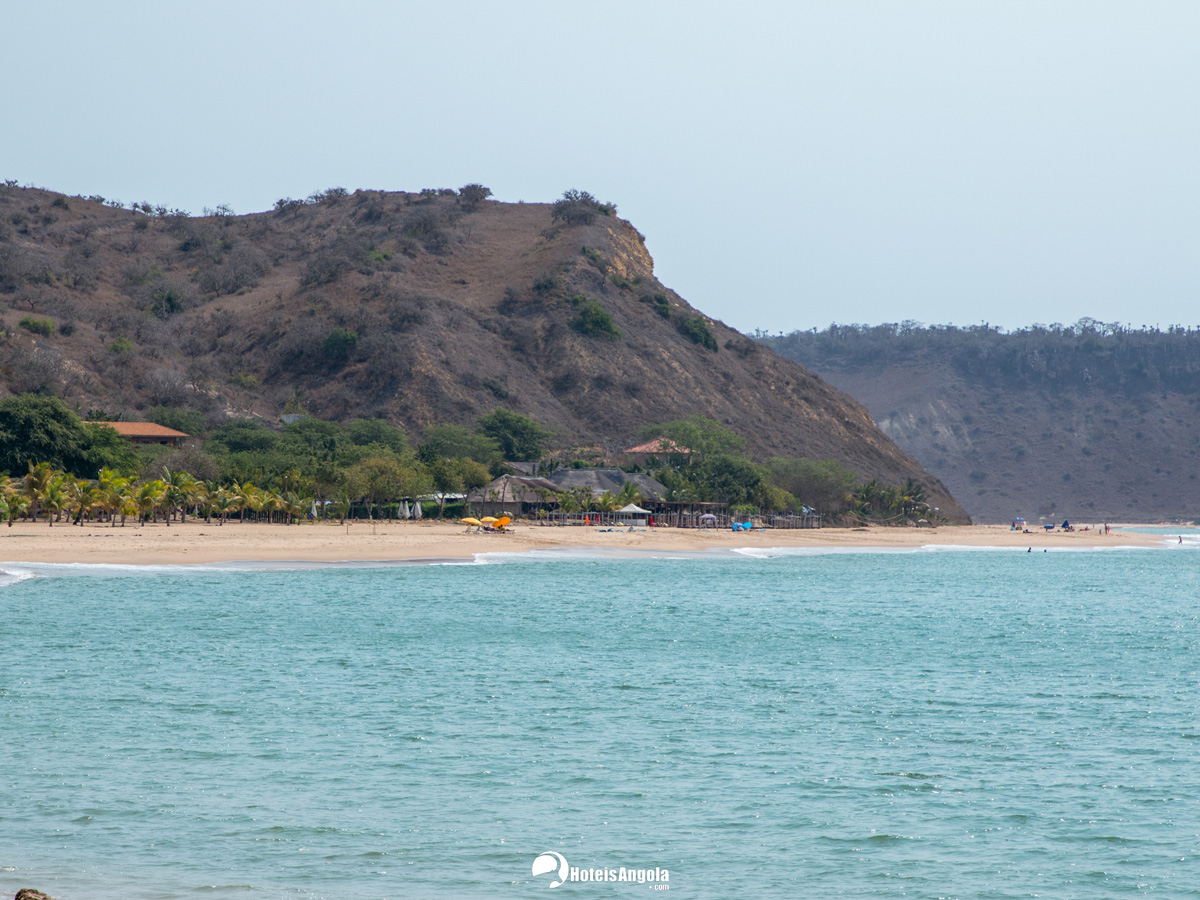
Miradouro da Lua is a set of cliffs 40 km south of Luanda, in the municipality of Samba, in Angola.
Dr. António Agostinho Neto Memorial
Places of Interest

Dr. António Agostinho Neto Memorial

The Dr. António Agostinho Neto Memorial, also known as the Foguetão, is a monument built in the capital Luanda in honor of António Agostinho Neto, Angolan doctor, writer and politician, the country's main figure in the 20th century.
Rent-a-car

Newsletter

Un-subscribe

If you want to stop receiving newsletters write here the Removal Code shown in newsletter you reveived by us and click Un-subscribe.

Invalid e-mail address
 
Please wait...

Suport Line

Support Line

WhatsApp WhatsApp

Number: +244 931 510 510

Message opens automatically when you click

Email Email

Email: info@visiteluanda.com

For detailed requests or sending documents.

Available daily from 08:00 to 22:00. This support line helps clarify doubts, assist with reservations and guide you towards the best accommodation and tourism services.

Não espere mais, precisa de ajuda?