Our Lady of Conceição da Muxima

Our Lady of Conceição da Muxima

Our Lady of Conceição da Muxima

Our Lady of Conceição da Muxima, also known as Our Lady of Muxima or Mamã Muxima, is a Marian devotion from Angola

Its origins date back to the construction of the Church of Nossa Senhora da Conceição in the town known as Muxima, in the current province of Luanda, in 1599.
The sanctuary soon became an important center of Christianization, being the place where Africans were baptized before to ship them as slaves to different locations, but especially to the Americas.

It also became an important devotional space for indigenous Christian populations, who soon attributed the performance of several miracles to Senhora da Muxima.
Rumors of miracles soon spread throughout the surrounding regions, leading to the organization of acts of popular piety, whether based on Portuguese tradition, completely innovative or reminiscent of ancient African religions.
The most important of these traditions, the Pilgrimage of Our Lady of Conceição da Muxima, dates back to 1833, attracting thousands of pilgrims every year, at the end of August and beginning of September.
The devotion inspired several Angolan writers, such as Pepetela, who discusses the traditions associated with the Mamã Muxima in the work A Sul. O Sombreiro.

Despite the widespread devotion among the entire Angolan Catholic population, however, Our Lady of Muxima is not considered patron saint of Angola by the Episcopal Conference of Angola and São Tomé.
It is a spacious and strong building, with an austere, typically Portuguese architecture, built on the Kwanza River. It was burned down by the colonial Dutch in 1641 when they captured Muxima.

It was later modified.
The sanctuary, with an image of the Virgin, has been a place of great devotion for Christian pilgrims for generations.
It was classified as a National Monument by Portuguese Provincial Decree No. 2, of January 12, 1924. It is in a relatively good state of conservation and belongs to the Roman Catholic Church.
The Ministry is responsible for its maintenance and preservation. of Culture.
On October 27, 2013, the image of Nossa Senhora da Muxima was attacked with beatings by a group of seven people belonging to the Church of Noah's Ark during Sunday mass.

The attack aimed to combat supposed idolatry, in a of the largest acts of religious intolerance ever recorded in the country.
The image suffered some damage but, a year later, the image was fully restored.
Cabo Ledo, Muxima, Luanda, Angola

locais de interesse

Pontos Turisticos

National Museum of Natural History of Angola
Places of Interest

National Museum of Natural History of Angola

The National Museum of Natural History (MNHN) is a public, non-profit museum institution, dedicated par excellence to documentation, research and communication activities that reflect Angola's biodiversity.
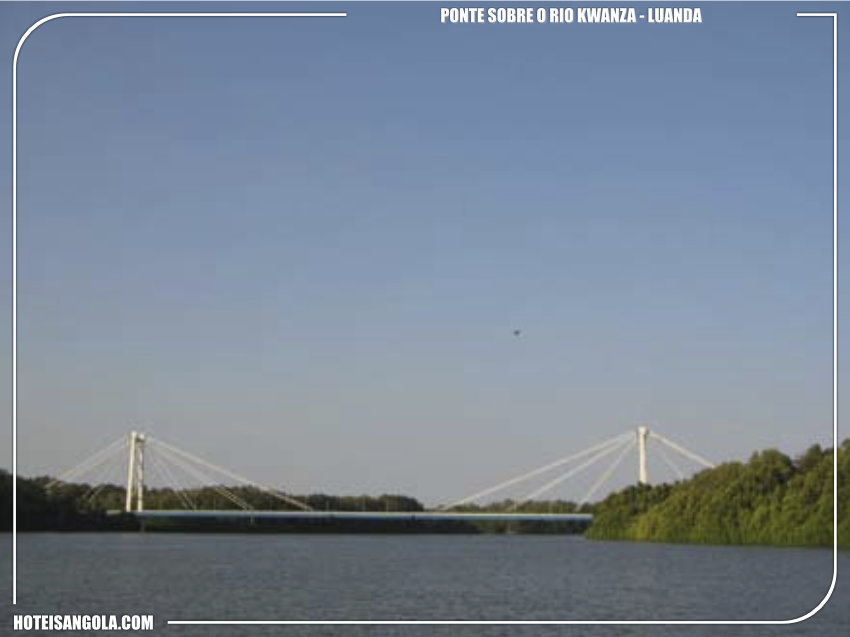
Barra do Kwanza
Places of Interest

Barra do Kwanza

Barra do Kwanza is an Angolan urban district and commune located in the province of Luanda, belonging to the municipality of Belas.
National Museum of Military History
Places of Interest

National Museum of Military History

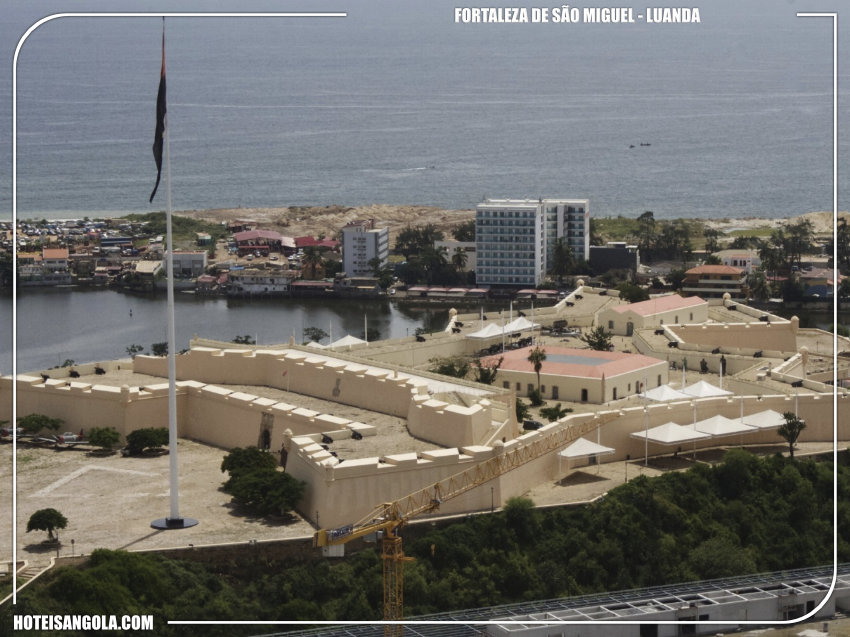
The Military History Museum reopened to the public in April 2013 and is located in the former Fortaleza de São Miguel de Luanda.
Quissama National Park
Places of Interest

Quissama National Park

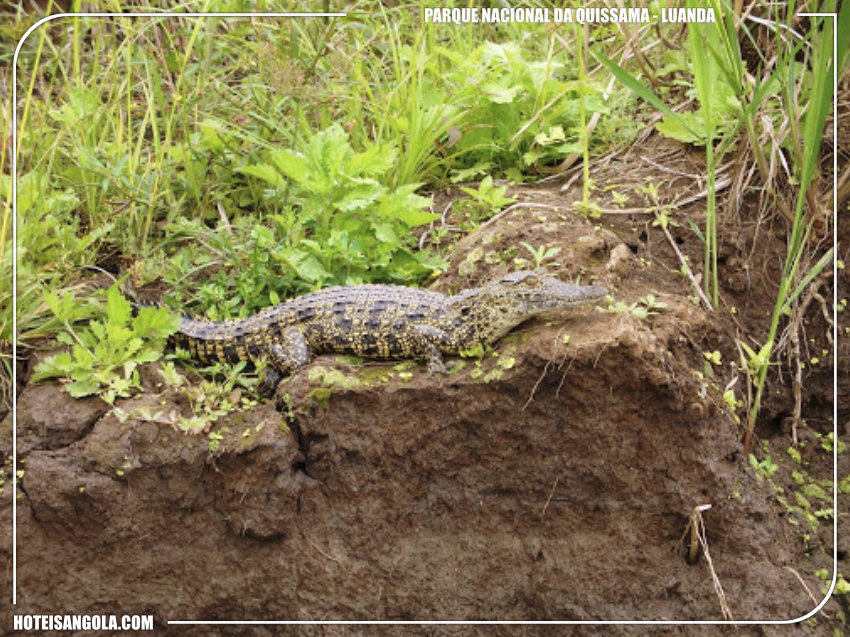
The Quissama National Park is located 75 kilometers from Luanda, between the Atlantic Ocean, the Cuanza River and the Longa River.
National Museum of Anthropology
Places of Interest

National Museum of Anthropology

The National Museum of Anthropology is located in the Coqueiros neighborhood, in the city of Luanda, in Angola.
Currency Museum
Places of Interest

Currency Museum

The Currency Museum presents the history of money from Zimbo to Kwanza.
Iron Palace
Places of Interest

Iron Palace

The Quissama National Park is located 75 kilometers from Luanda, between the Atlantic Ocean, the Cuanza River and the Longa River.
Caboledo
Places of Interest

Caboledo

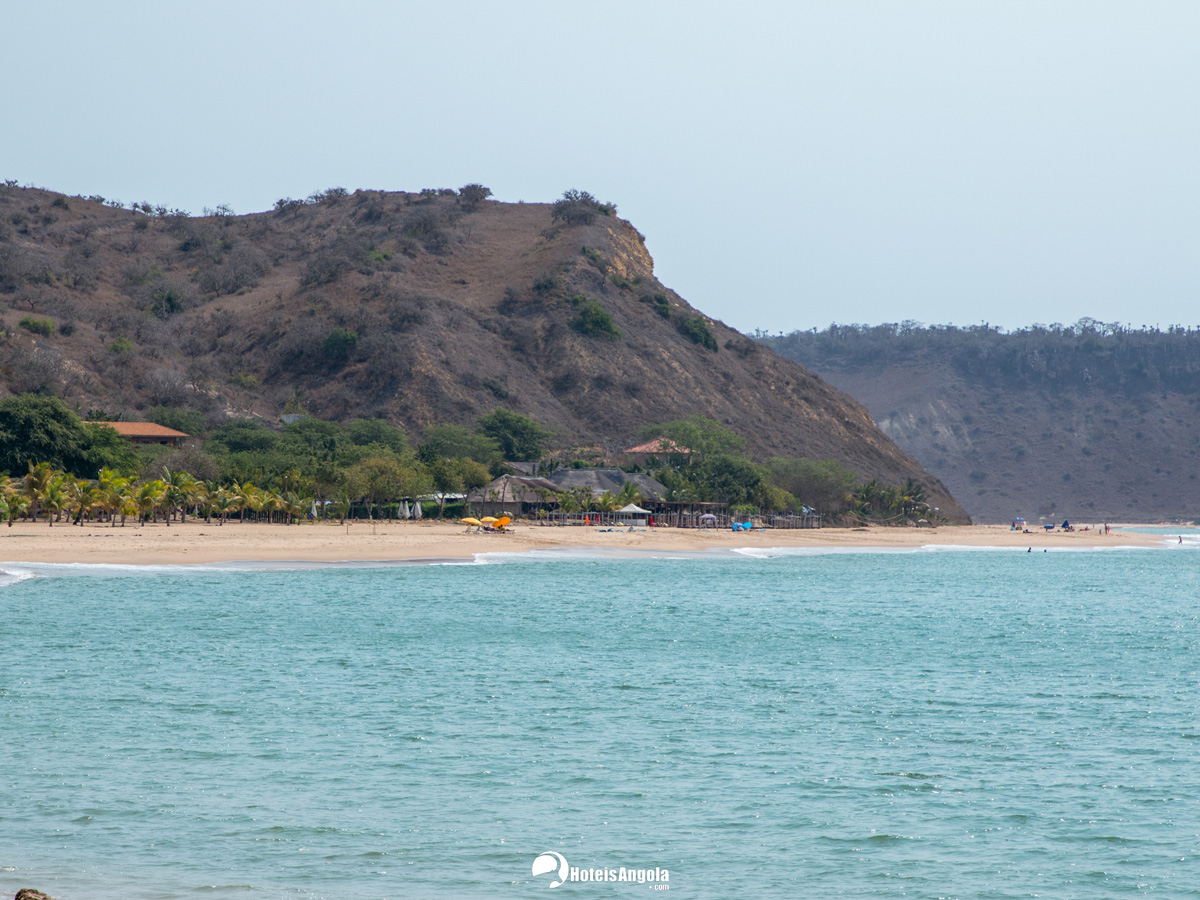
One of the ideal tourist spots to recover energy and reestablish strength for the busy city life.
National Slavery Museum
Places of Interest

National Slavery Museum

The National Slavery Museum is located in Morro da Cruz, in the city of Luanda, in Angola. Dedicated to the memory of slavery, it is an outstanding cultural institution in the country.
The Muxima Fortress
Places of Interest

The Muxima Fortress

The Muxima Fortress (
Mussulo Island Chapel
Places of Interest

Mussulo Island Chapel

A chapel built by Portuguese settlers on the island of Mussulo, in Luanda, is now classified as Historical-Cultural Heritage of Angola, according to an executive decree signed by the Minister of Culture, Carolina Cerqueira.
Fortress of São Miguel
Places of Interest

Fortress of São Miguel

The “Fortaleza de São Miguel” is located on Morro da Fortaleza (formerly Monte de São Paulo), close to the bridge on the island of Luanda, in the commune and municipality of Ingombota, city and province of Luanda, in Angola.
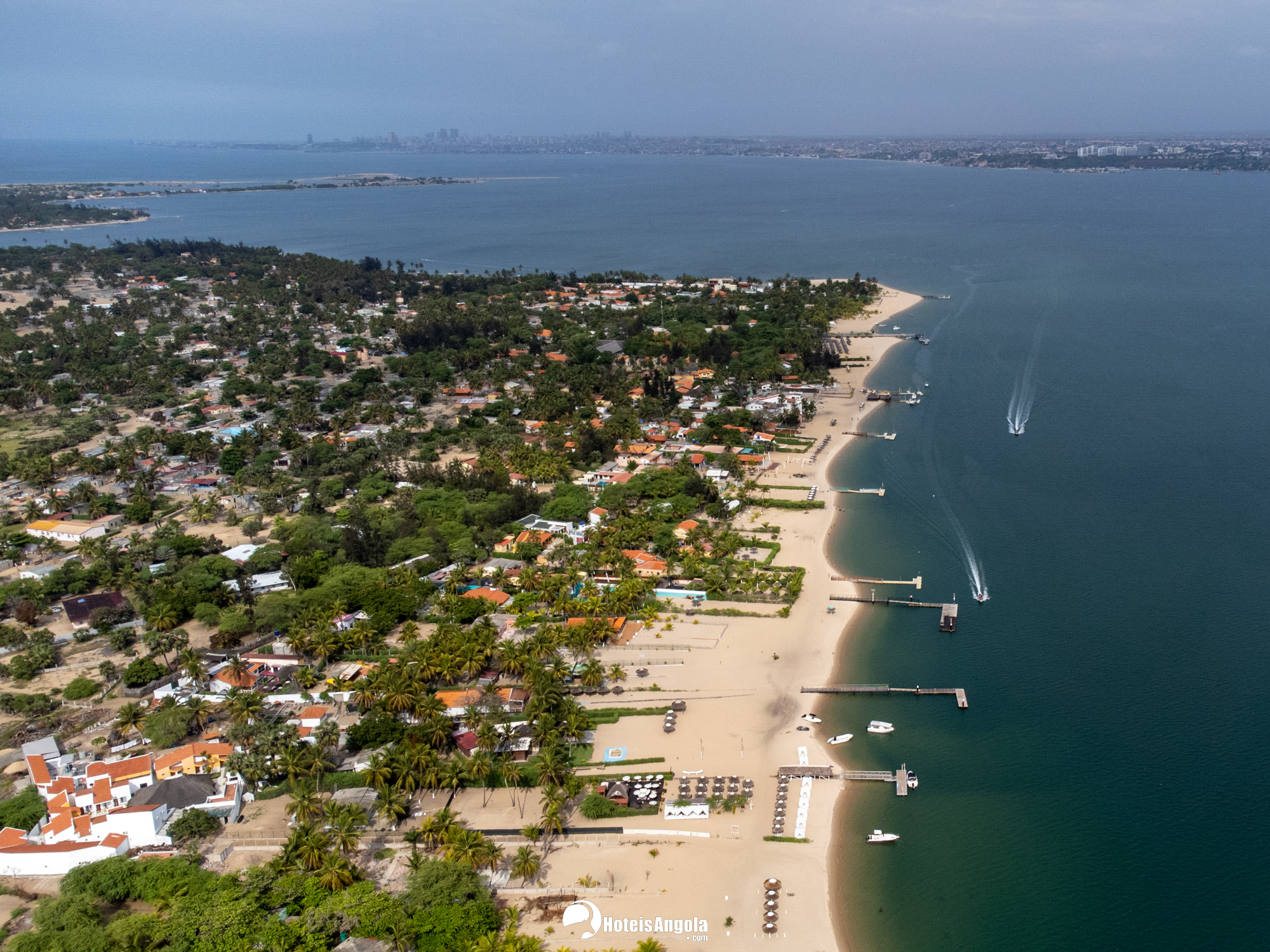
Mussulo Island
Places of Interest

Mussulo Island

It is administratively linked to the urban district of Benfica and Mussulo, from the municipality of Belas.
Armed Forces Museum
Places of Interest

Armed Forces Museum

Established in 1975, after Angola's independence, the Armed Forces Museum is located in the São Miguel Fortress.
Our Lady of Conceição da Muxima
Places of Interest

Our Lady of Conceição da Muxima

Our Lady of Conceição da Muxima, also known as Our Lady of Muxima or Mamã Muxima, is a Marian devotion from Angola
Moon Viewpoint
Places of Interest

Moon Viewpoint

Miradouro da Lua is a set of cliffs 40 km south of Luanda, in the municipality of Samba, in Angola.
Dr. António Agostinho Neto Memorial
Places of Interest

Dr. António Agostinho Neto Memorial

The Dr. António Agostinho Neto Memorial, also known as the Foguetão, is a monument built in the capital Luanda in honor of António Agostinho Neto, Angolan doctor, writer and politician, the country's main figure in the 20th century.
Rent-a-car

Newsletter

Un-subscribe

If you want to stop receiving newsletters write here the Removal Code shown in newsletter you reveived by us and click Un-subscribe.

Invalid e-mail address
 
Please wait...

Suport Line

Support Line

WhatsApp WhatsApp

Number: +244 931 510 510

Message opens automatically when you click

Email Email

Email: info@visiteluanda.com

For detailed requests or sending documents.

Available daily from 08:00 to 22:00. This support line helps clarify doubts, assist with reservations and guide you towards the best accommodation and tourism services.

Não espere mais, precisa de ajuda?