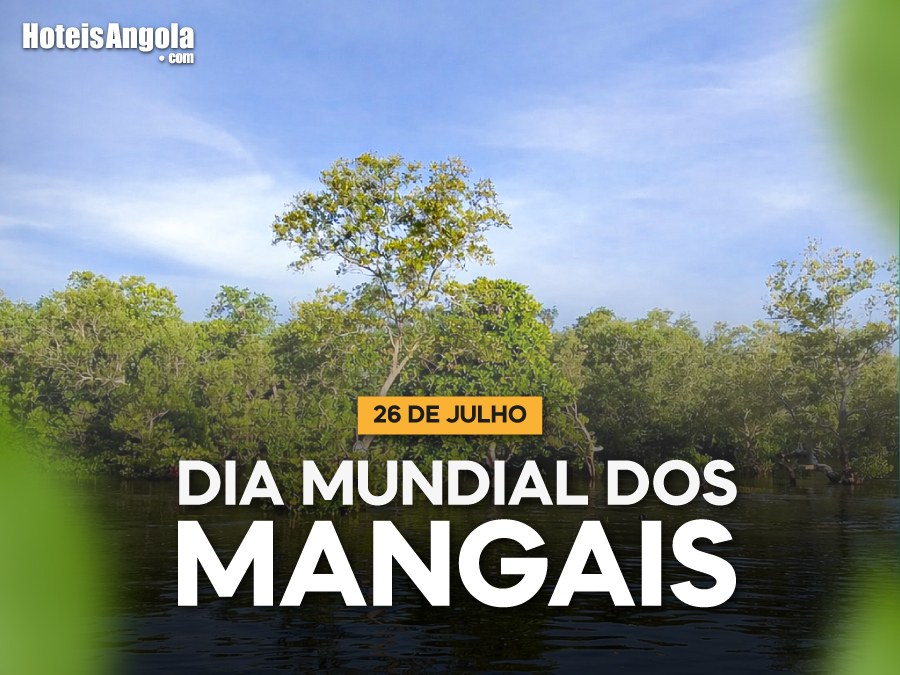
July 26th - World Mangrove Day - Ambiente e Boas Praticas
Celebrated annually on July 26 (proclaimed by UNESCO in 2015), it highlights the importance of mangroves as unique, vulnerable, and vital ecosystems for coastal biodiversity, protection against erosion, climate change mitigation, and the livelihoods of local communities. Its main objective is to raise awareness of the urgent need to protect, restore, and sustainably manage mangroves, which are often threatened by coastal development.
Originally, mangroves are coastal ecosystems formed by trees adapted to saltwater, known as mangrove forests.
These natural formations develop in tropical and subtropical regions, where the meeting of the sea and rivers creates unique conditions for life.
Mangroves are considered one of the most important ecosystems on the planet due to their ability to protect coastal areas from erosion, reduce the impact of tides, and serve as nurseries for a wide variety of marine species, functioning as true natural "breeding grounds." Numerous species of fish, crustaceans (such as shrimp and crabs), and mollusks use this environment for reproduction and growth. This supports entire food chains and strengthens local fisheries.
Despite their importance, mangroves are under significant pressure due to:
Unplanned urban expansion; Pollution; Overexploitation of natural resources; Climate change;
Therefore, more than a celebration, this day promotes awareness. It helps people understand that local actions, such as improper waste disposal or illegal land occupation, have a direct impact on these ecosystems.
This day serves as a reminder of the need to conserve these forests of intertwined roots, which act as guardians of the coastline, because without mangroves, we lose protection, food, biodiversity, and one of nature's most effective weapons against climate change.
The National Museum of Natural History (MNHN) is a public, non-profit museum institution, dedicated par excellence to documentation, research and communication activities that reflect Angola's biodiversity.
The National Slavery Museum is located in Morro da Cruz, in the city of Luanda, in Angola. Dedicated to the memory of slavery, it is an outstanding cultural institution in the country.
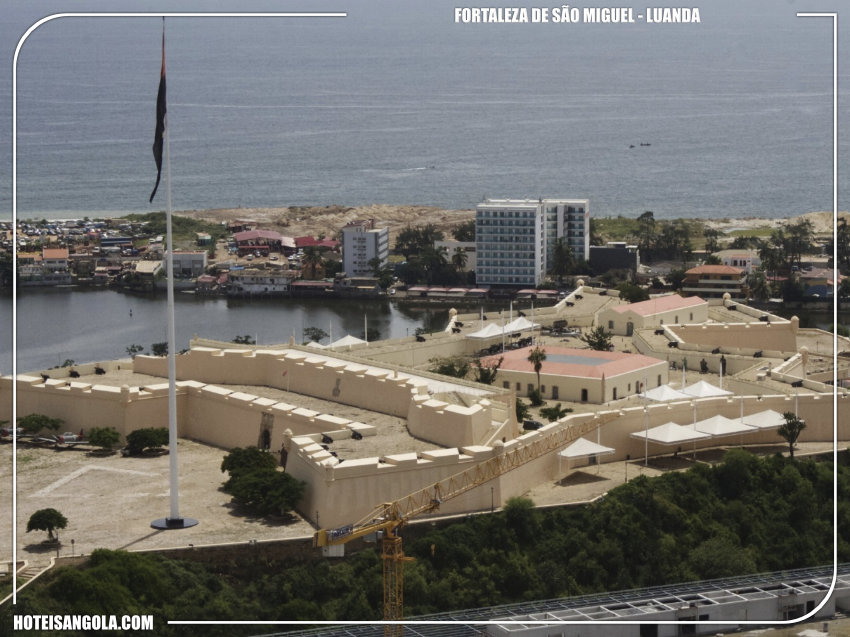
The “Fortaleza de São Miguel” is located on Morro da Fortaleza (formerly Monte de São Paulo), close to the bridge on the island of Luanda, in the commune and municipality of Ingombota, city and province of Luanda, in Angola.
Available daily from 08:00 to 22:00. This support line helps clarify doubts,
assist with reservations and guide you towards the best accommodation and tourism services.










 WhatsApp
 English
 Português
 Phone
Phone
 Email
Email